Close Player
Minimize Player Maximize Player
/


Review Votes

Nothing has been posted here yet - be the first!
 Nobody has created an event yet.
As anticipation builds for Grand Theft Auto VI, much of the conversation has centered on its visuals, storytelling, and the return to a modern-day Vice City. But beneath the neon lights and urban chaos lies a system that could quietly become one of the most transformative aspects of the entire experience: wildlife. If early trailers and official screenshots are anything to go by, Rockstar Games appears to be pushing animal simulation further than ever before—potentially turning wildlife into a foundational gameplay pillar rather than simple environmental dressing.
This shift represents a natural evolution from Grand Theft Auto V and especially Red Dead Redemption 2, where animals began to play a much more dynamic role. In GTA 6, however, the ambition seems greater: a living, reactive ecosystem that shapes how players explore, GTA 6 Money, and interact with the world.
A Living Ecosystem, Not Just Decoration
From what has been shown so far, Vice City and its surrounding regions are teeming with life. This isn’t limited to pedestrians and traffic systems—it extends deeply into nature itself. The inclusion of diverse wildlife suggests Rockstar is building an ecosystem rather than scattering isolated animal models across the map.
This distinction matters. In previous entries, animals often existed as background detail. In GTA 6, they appear poised to influence gameplay directly. Their presence introduces unpredictability, environmental hazards, and emergent scenarios that can disrupt even the most carefully planned player actions.
The result is a world that doesn’t just react to the player—but exists independently of them.
Alligators: Environmental Danger Comes to the City
Among the most striking examples of this new direction are alligators. These creatures are not confined to remote swamps or scripted encounters. Instead, they appear integrated into both rural and suburban spaces, wandering into residential neighborhoods, golf courses, and even swimming pools.
This design choice fundamentally alters how players perceive safety. Water—traditionally a neutral or safe traversal element in GTA—becomes a potential death trap. Quiet suburban areas can suddenly turn hostile. The presence of an apex predator in everyday environments introduces tension that persists even outside of missions.
More importantly, alligators hint at systemic gameplay possibilities. Imagine a high-speed police chase derailed when a fleeing suspect crashes into a canal—only for a lurking predator to complicate the situation. Or stealth sequences where players must avoid not just human enemies, but wildlife as well.
This kind of emergent gameplay, where multiple systems intersect unpredictably, is precisely what made Red Dead Redemption 2 feel alive. GTA 6 appears ready to expand on that philosophy.
Birds as Environmental Signals
At first glance, the inclusion of birds—flamingos, seagulls, pelicans—might seem purely aesthetic. However, Rockstar has a history of turning even minor details into meaningful mechanics.
Birds could function as environmental indicators. A flock suddenly scattering might signal nearby danger, whether it’s law enforcement, predators, or other players. Their behavior could guide exploration, subtly pointing toward hidden locations or dynamic events.
There’s also potential for structured gameplay systems. Tracking rare bird species across different regions could become a collectible challenge, rewarding exploration and observation. Photography missions, hunting mechanics, or even ecological tracking systems could emerge from what initially appears to be background detail.
In this way, small creatures become part of larger gameplay loops—adding depth without overwhelming the player.
Expanding the Frontier: Land Mammals and Hunting Systems
Beyond the urban sprawl, GTA 6 is expected to feature rural and wilderness areas. This opens the door to a wide range of land mammals—deer, boars, raccoons, and possibly even predators like coyotes or foxes.
If Rockstar draws inspiration from Red Dead Redemption 2, hunting could evolve into a fully realized system. This would include tracking footprints, analyzing animal behavior, and using the right tools to secure high-quality resources. The method of hunting could directly impact the rewards, encouraging skillful and deliberate play.
Such systems could feed into broader mechanics:
Crafting materials for gear or customization
Black market trading of animal products
Side businesses centered on wildlife exploitation
Long-term progression tied to hunting mastery
The introduction of legendary animals—rare, elusive creatures requiring patience and expertise—would further deepen this system. These encounters could become some of the most memorable moments in the game, offering both challenge and narrative intrigue.
Horses and the Evolution of Traversal
One of the most intriguing possibilities is the inclusion of horses. While not yet fully confirmed, their presence would represent a significant gameplay shift.
Rockstar already perfected horseback mechanics in Red Dead Redemption 2, including bonding systems, stamina management, and realistic movement. Even a partial implementation of these systems in GTA 6 would dramatically expand traversal options.
Horses would create a meaningful contrast between modern and traditional transportation. In dense urban environments, cars dominate. But in rural or off-grid areas, horses could offer advantages—stealth, maneuverability, and access to terrain vehicles can’t reach.
This opens the door to unique mission design. Imagine escaping into the wilderness on horseback while helicopters search overhead, or navigating dense forests where vehicles become liabilities. The result is a more varied and dynamic gameplay experience.
The Ocean: A New Frontier of Risk and Reward
If land-based wildlife introduces tension, the ocean could amplify it. Sharks, in particular, represent a major shift in how players interact with water.
Swimming, diving, or engaging in water-based activities may no longer feel safe. Sharks could function as dynamic threats, responding to player movement, noise, or environmental cues. This transforms the ocean into a space of constant uncertainty.
Beyond danger, the marine ecosystem offers opportunities:
Fishing systems with diverse species
Underwater exploration and treasure hunting
Photography or research-style challenges
Discovery of hidden ecosystems
The inclusion of dolphins, turtles, and schools of fish would enhance immersion while supporting these mechanics. Together, they create a layered environment that rewards curiosity while punishing carelessness.
Becoming the Animal: Expanding Perspective
One of the more unexpected features that could return is the ability to play as animals. In Grand Theft Auto V, this was introduced through peyote plants, allowing players to temporarily inhabit different creatures.
In GTA 6, this concept could be expanded significantly. Each animal could offer a unique perspective on the world:
Birds providing aerial traversal and reconnaissance
Alligators navigating waterways and ambushing prey
Sharks exploring the ocean depths
This mechanic would not only add variety but also encourage players to engage with the environment in entirely new ways. It transforms the map into a multi-layered space, where each species experiences the world differently.
Advanced AI and Dynamic Behavior
The true potential of wildlife in GTA 6 lies in its AI systems. If Rockstar delivers on next-generation simulation, animals will exhibit complex behaviors:
Territorial movement and migration patterns
Predator-prey relationships
Reactions to weather and time of day
Dynamic responses to player actions
This creates a world that feels alive even without player interaction. You might witness a predator hunting its prey, animals fleeing from a storm, or ecosystems shifting over time.
Such systems blur the line between scripted events and organic gameplay, making every session feel unique.
Secrets, Mysteries, and Legendary Creatures
Rockstar has always embraced mystery, from Bigfoot rumors to UFO sightings. GTA 6 could take this tradition even further by integrating cryptids and hidden creatures into its wildlife system.
Imagine:
A rumored Bigfoot deep in the wilderness
A sea monster lurking in the ocean’s depths
A werewolf tied to specific conditions or locations
These elements wouldn’t just be Easter eggs—they would drive community engagement, speculation, and long-term exploration. Players would share discoveries, test theories, and collaborate to uncover hidden secrets.
This kind of design extends the life of the game far beyond its main story.
The Evolution of Rockstar’s Design Philosophy
Looking back, the progression is clear. Early GTA titles featured little to no wildlife. Grand Theft Auto V introduced animals as ambient elements. Red Dead Redemption 2 transformed them into core gameplay systems.
Now, Grand Theft Auto VI has the opportunity to merge and expand these ideas into something unprecedented.
Wildlife is no longer just part of the environment—it is part of the experience. It influences exploration, shapes encounters, and creates stories that players will remember long after they’ve put the controller down.
Conclusion: A World That Truly Feels Alive
If Rockstar successfully delivers on even a portion of this vision, wildlife could become one of the defining features of GTA 6. Animals will not simply exist to be observed—they will be interacted with, feared, hunted, and perhaps even embodied.
This approach represents a fundamental shift in open-world design. Instead of building a world around the player, Rockstar is building a world that exists alongside them—one that evolves, reacts, and surprises at every turn.
In doing so, GTA 6 Money for sale may set a new standard for immersion, proving that sometimes the most important systems in a game aren’t the ones that shout the loudest—but the ones that quietly make everything else feel real.
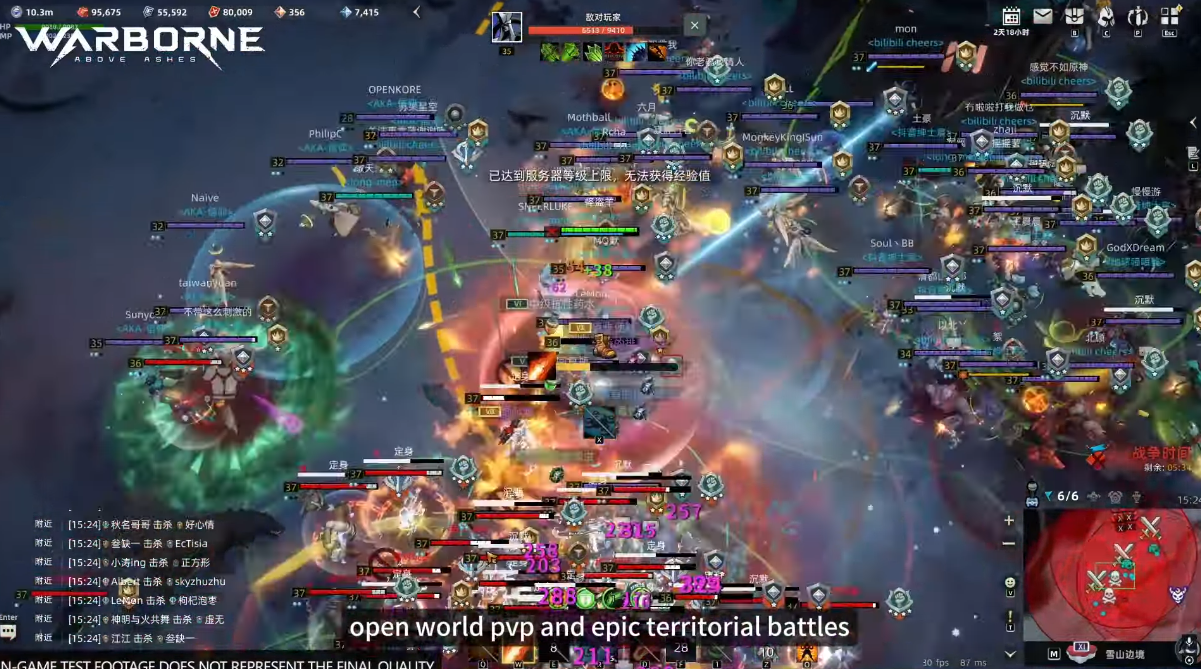
In the evolving landscape of competitive action RPGs, mastery is no longer defined solely by raw damage output—it is increasingly shaped by control, timing, and layered effects that disrupt opponents’ ability to act. Warborne: Above Ashes exemplifies this philosophy through its intricate skill design, where mechanics like stacking debuffs, Warborne Above Ashes Solarbite, and synergistic passives reward players who understand not just how to deal damage, but how to manipulate the battlefield itself.
One of the most illustrative examples of this design philosophy is the Legendary weapon skill Frost’s Caller, particularly its defining ability, Deep Frost Slash. This skill encapsulates the game’s emphasis on layered debuff mechanics, sustained pressure, and strategic timing. By examining its structure and implications, we can better understand how high-level gameplay in Warborne: Above Ashes revolves around controlling tempo rather than simply overwhelming opponents.
The Identity of Frost’s Caller
In Warborne: Above Ashes, Legendary-tier equipment is not merely a stat upgrade—it often introduces unique mechanics that fundamentally alter playstyles. Frost’s Caller stands out as a weapon that leans heavily into magic-based burst combined with crowd control scaling, making it particularly effective in both PvE encounters and PvP engagements where disabling opponents can determine the outcome of a fight.
Rather than focusing purely on sustained DPS or critical strike amplification, Frost’s Caller emphasizes stack-based debuff accumulation, culminating in a powerful control effect that can temporarily neutralize enemies. This design encourages players to engage in rhythmic combat patterns, where each attack contributes to a broader objective: building Hypothermia stacks to unlock Deep Frost’s full potential.
Deep Frost Slash: Mechanics Breakdown
At the core of Frost’s Caller lies the Deep Frost Slash skill, a multi-hit attack that blends damage with debuff application:
First two strikes: Each deals 120% Magic Damage
Third strike: Deals 145% Magic Damage
Applies Hypothermia
Applies a 30% Slow for 4 seconds
On the surface, this appears to be a standard multi-hit offensive skill with a minor control component. However, the true depth emerges when considering its stacking interaction with Hypothermia and the resulting Deep Frost threshold effect.
Hypothermia Stacking and Threshold Control
The Hypothermia mechanic is where Frost’s Caller transitions from a damage tool into a control engine. Each application of Hypothermia contributes to a stacking system that culminates in a powerful crowd control effect:
At 6 stacks of Hypothermia, the target is afflicted with Deep Frost
Deep Frost causes the target to:
Lose the ability to perform Basic Attacks
Lose movement capability
Be immobilized for 1.5 seconds
This transformation from incremental debuffing to a hard disable represents a key strategic breakpoint. Instead of simply slowing enemies, the player is rewarded for maintaining consistent pressure until a critical threshold is reached, at which point the enemy is effectively locked out of meaningful action.
Strategic Implications in Combat
The synergy between Deep Frost Slash and Hypothermia stacks introduces several important layers of decision-making:
1. Stack Management and Timing
Players must balance between applying pressure and maintaining stack uptime. Because Hypothermia is not a one-time effect but a cumulative condition, optimal usage involves repeatedly landing Deep Frost Slash or complementary frost-based abilities to ensure stacks do not decay or fall off before reaching the 6-stack threshold.
This creates a tempo-based gameplay loop, where maintaining offensive cadence is just as important as landing high-damage hits.
2. Burst Windows After Deep Frost Activation
Once Deep Frost is triggered, enemies are immobilized and unable to retaliate. This creates a guaranteed burst window, during which players can:
Execute high-damage combos
Reposition safely
Coordinate with allies in group encounters
Apply additional debuffs or damage-over-time effects
In PvP scenarios, this brief window can decisively swing engagements, especially when used against high-priority targets such as enemy damage dealers or support units.
3. Synergy with Team Composition
Frost’s Caller becomes even more potent in coordinated team play. When multiple players can contribute to applying or capitalizing on Hypothermia stacks, the Deep Frost effect can be triggered more consistently across targets.
This encourages:
Chain control strategies, where one player initiates stacking while others assist in maintaining or amplifying it
Focus fire tactics, where teams concentrate on a single target to rapidly reach the 6-stack threshold
Follow-up coordination, ensuring that immobilized enemies are immediately punished
In group PvE content, this also enhances survivability by preventing dangerous enemies from acting, reducing incoming damage and pressure on the team.
PvE Applications: Control as Efficiency
In PvE content within Warborne: Above Ashes, Frost’s Caller excels in encounters where enemy density or elite mechanics pose a threat. The ability to slow and eventually immobilize enemies provides several advantages:
Damage mitigation: Slowed enemies deal less effective damage due to reduced contact frequency
Mobility control: Preventing enemy repositioning allows for better AoE targeting
Safer rotations: Players can execute longer attack sequences without interruption
Against bosses or elite enemies, while full immobilization may be harder to maintain due to resistances or diminishing returns, the slow effect alone still provides meaningful control, improving survivability and positioning.
PvP Impact: Lockdown Potential
In PvP, Frost’s Caller introduces a high-value control toolkit that can disrupt even the most mobile opponents. The combination of slow application and eventual immobilization creates a layered threat:
The initial slow reduces enemy escape options
Continued stacking pressures opponents into defensive play
The Deep Frost trigger acts as a hard punish for opponents who fail to disengage
Skilled players can leverage this by:
Forcing opponents into unfavorable trades
Controlling choke points or objectives
Setting up ambushes where the Deep Frost effect guarantees follow-up damage
However, because PvP environments often include counterplay such as cleanse abilities, mobility skills, or debuff resistance, effective use of Frost’s Caller requires anticipation and timing rather than simple repetition.
Risk and Reward Dynamics
Frost’s Caller embodies a classic risk-reward structure:
Reward: High control potential culminating in guaranteed immobilization
Risk: Requires time and consistent application to build stacks
Dependency: Vulnerable to interruption or cleanse mechanics before reaching threshold
This means players must commit to engagements with awareness of enemy capabilities. Misjudging the timing or failing to maintain pressure can result in wasted stack buildup and lost opportunities.
Playstyle Considerations
Using Frost’s Caller effectively demands a shift in mindset compared to pure damage-oriented builds:
Patience Over Burst Spam
Instead of spamming abilities for immediate damage, players must focus on consistent application to build Hypothermia stacks efficiently.
Positioning Matters
Maintaining proximity to targets is essential for ensuring all strikes of Deep Frost Slash connect, especially the third hit, which delivers higher damage and contributes to control pressure.
Awareness of Enemy Responses
Understanding when opponents are likely to cleanse, disengage, or counterattack is crucial. Frost’s Caller rewards players who can predict and adapt rather than react passively.
Integration with Broader Build Archetypes
Within Warborne: Above Ashes, Frost’s Caller can fit into several archetypes:
Control Mage Builds: Focused on crowd control and battlefield manipulation
Hybrid DPS-Control Builds: Balancing damage output with debuff utility
Team Utility Roles: Prioritizing enemy disruption to support allied damage dealers
Its versatility stems from the dual nature of its mechanics: it contributes both meaningful damage and impactful control, allowing it to remain relevant across multiple stages of progression.
Conclusion: Control as a Win Condition
Frost’s Caller, through Deep Frost Slash and the Hypothermia stacking system, exemplifies the deeper combat philosophy of Warborne: Above Ashes: success is not solely determined by how hard you hit, but by how effectively you can limit your opponent’s options.
By combining multi-hit damage, stacking debuffs, and threshold-based crowd control, the weapon transforms ordinary combat into a strategic layering of pressure and timing buy WAA Solarbite. Players who master its mechanics gain not just an offensive tool, but a method of dictating the pace of engagements, isolating targets, and creating windows of opportunity that can be decisively exploited.
In both PvE and PvP contexts, Frost’s Caller rewards foresight, consistency, and coordination. It is not simply a weapon of ice—it is a system of control, one that turns gradual buildup into sudden, fight-altering dominance.
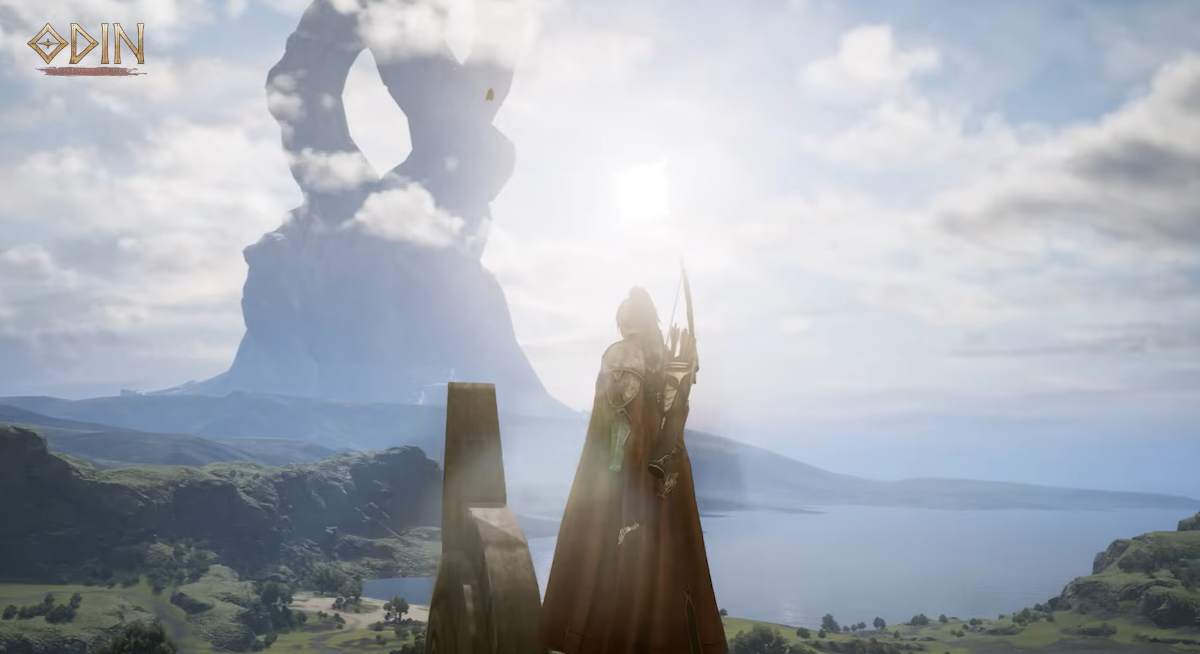
In the vast open-world MMORPG experience of Odin: Valhalla Rising, progression is not defined solely by character level or gear score. Instead, mobility, resource efficiency, survivability, and tactical decision-making all play a crucial role in how effectively a player advances through content. One of the most impactful—but often underestimated—systems contributing to this progression is the mount system.
Among the various mounts available, Fenrir stands out as a legendary ground mount that offers a balanced blend of combat utility, mobility, and sustain. Understanding how to leverage Fenrir effectively can significantly enhance both PvE grinding and PvP engagements, making it a valuable asset for mid-to-endgame players.
This guide explores Fenrir in detail, examines its strengths, and explains how it fits into the broader gameplay loop of Odin Diamonds.
Understanding Fenrir as a Mount
Fenrir is designed as a high-tier ground mount that provides both offensive and defensive bonuses alongside mobility enhancements. Unlike purely cosmetic mounts or those focused only on speed, Fenrir is built to support sustained combat scenarios where survival and resource management matter just as much as movement.
Its stat profile reflects this hybrid purpose:
Debuff Duration Reduction: 8%
Cooldown Reduction: 14%
Movement Speed: +135%
Potion Carry Limit: +700
Potion Recovery: +22%
Attack: +6
Maximum HP: +600
Melee Damage Taken Reduction: +3%
All Damage: +5%
These attributes position Fenrir as a versatile mount that benefits players who engage in extended combat sessions, dungeon runs, and open-world farming.
Mobility and Exploration Efficiency
One of Fenrir’s most noticeable strengths is its movement speed bonus of +135%. In a large-scale open world like Odin: Valhalla Rising, traversal efficiency directly impacts progression speed.
Higher movement speed allows players to:
Travel between farming zones faster
Reduce downtime between mob packs
Escape dangerous encounters in PvP scenarios
Complete quests and objectives more efficiently
In high-density farming routes, even small improvements in travel time can accumulate into significant gains over extended play sessions. Fenrir’s speed ensures that players spend more time engaging enemies and less time moving between them.
Resource Management: Potions as a Strategic Advantage
Fenrir’s increased potion carry limit (+700) and potion recovery (+22%) make it particularly valuable for sustained gameplay.
Potion Carry Limit
The increased carry capacity allows players to stock more healing and utility potions before needing to restock. This is especially useful in:
Long dungeon runs
Elite monster farming zones
Extended PvP skirmishes
Boss encounters
A higher potion inventory reduces interruptions caused by supply shortages, allowing for uninterrupted gameplay loops.
Potion Recovery
Potion recovery improves the effectiveness of potion usage over time. Combined with increased carry capacity, this creates a feedback loop where players can:
Sustain longer fights
Recover more efficiently between engagements
Reduce reliance on external healing sources
For classes that lack self-sustain or rely heavily on consumables, Fenrir becomes even more valuable.
Combat Utility and Survivability
Fenrir is not just about movement—it also contributes meaningful combat-related bonuses that enhance both survivability and damage output.
Defensive Benefits
Maximum HP +600
Melee Damage Taken Reduction +3%
These stats increase durability, particularly in melee-heavy encounters. While the numerical values may appear modest, they scale in importance when combined with gear, buffs, and character progression.
Offensive Contributions
Attack +6
All Damage +5%
These bonuses provide a consistent increase in overall damage output. While Fenrir is not primarily an offensive mount, its contributions help smooth out damage performance, especially during sustained fights.
Cooldown Reduction and Skill Flow
Fenrir provides a 14% cooldown reduction, which is one of its most impactful utility stats.
Cooldown reduction influences:
Skill rotation frequency
Burst damage windows
Defensive ability uptime
Utility skill availability
In practice, this allows players to cycle abilities more frequently, improving both DPS and survivability. For classes that rely on timed rotations or combo chains, cooldown reduction can significantly enhance combat fluidity.
Debuff Duration Reduction: Countering Control Effects
The 8% debuff duration reduction is particularly relevant in both PvE and PvP environments.
This stat reduces the time players are affected by negative status effects such as:
Stuns
Slows
Damage-over-time effects
Crowd control debuffs
In PvP scenarios, where control effects often determine the outcome of engagements, even a small reduction in debuff duration can create opportunities to escape, counterattack, or reposition.
Fenrir in PvE Content
In PvE, Fenrir excels in scenarios that require endurance and consistency rather than burst optimization alone.
Grinding and Farming
For players focusing on mob farming:
Movement speed improves rotation efficiency between camps
Potion bonuses sustain longer farming sessions
Cooldown reduction enables faster skill cycling
This makes Fenrir ideal for players farming materials, experience, or currency over extended periods.
Dungeon Runs
In dungeon environments:
Survivability bonuses help mitigate incoming damage
Potion efficiency reduces downtime
Cooldown reduction improves boss fight performance
Fenrir allows players to maintain consistent performance across long encounters without frequent breaks.
Fenrir in PvP Scenarios
PvP in Odin: Valhalla Rising often emphasizes positioning, timing, and resource management. Fenrir contributes to all three.
Movement speed helps with chase and disengage tactics
Debuff reduction mitigates crowd control chains
Cooldown reduction enables more frequent defensive or offensive skill usage
Increased HP and damage reduction improve survivability under pressure
While Fenrir does not replace skill or class mechanics, it enhances a player’s ability to respond to dynamic combat situations.
When to Use Fenrir
Fenrir is best suited for:
Mid-to-late game players engaging in consistent farming
Players participating in extended PvE sessions
PvP players who value survivability and sustain
Builds that rely on cooldown-heavy skill rotations
Players who prefer a balanced mount rather than a purely offensive or defensive specialization
It may be less optimal in situations where raw burst damage from other mounts or specialized bonuses is prioritized, but its versatility often outweighs niche alternatives.
Playstyle Synergy
Fenrir synergizes well with playstyles that emphasize:
Sustain over burst
Mobility-driven combat
Resource-heavy builds
Hybrid offense-defense strategies
Classes or builds that frequently engage in prolonged fights benefit the most from Fenrir’s balanced stat distribution. Players who rely heavily on consumables will also notice a significant quality-of-life improvement due to potion-related bonuses.
Optimizing Fenrir Usage
To get the most out of Fenrir, players should consider the following:
Route optimization: Combine Fenrir’s speed with efficient farming loops
Potion management: Stock adequate potions to leverage carry bonuses fully
Skill rotation planning: Take advantage of cooldown reduction to maintain consistent DPS
Positioning awareness: Use mobility to avoid unnecessary damage in PvP and PvE
Build alignment: Pair Fenrir with gear and skills that complement sustain and uptime
Fenrir is most effective when integrated into a broader strategy rather than treated as a standalone advantage.
Fenrir’s Role in Long-Term Progression
In a game like Odin: Valhalla Rising, long-term progression is built on efficiency, consistency, and the ability to handle increasingly difficult content. Fenrir contributes to all three pillars by improving:
Time efficiency through movement speed
Combat sustainability through potion bonuses
Survivability through defensive stats
Combat rhythm through cooldown reduction
As players push into higher-tier content, these incremental advantages compound, making Fenrir a reliable and scalable companion throughout the journey.
Final Thoughts
Fenrir is more than just a mount—it is a comprehensive utility tool that enhances multiple aspects of gameplay in Odin Valhalla Rising Diamonds for sale. Its balanced stat profile makes it particularly valuable for players who prioritize consistency, efficiency, and survivability over specialized burst advantages.
Whether used for farming, dungeon progression, or PvP engagements, Fenrir provides a stable foundation that supports a wide range of builds and playstyles. Its combination of mobility, sustain, and combat bonuses ensures that players can maintain momentum without sacrificing effectiveness.
For those looking to optimize their progression and maintain a steady pace through mid-to-endgame content, Fenrir represents one of the most practical and well-rounded mount choices available.