Grow a Garden 2 feels less like a quick planting game and more like a quiet management challenge, where every seed, tool, and decoration can shape the next hour of play. New players often begin by browsing Grow a Garden 2 Items to understand which resources support a smooth early routine.
The most successful gardens are not always the largest. They are usually the ones designed around clear priorities: steady income, short travel paths, and enough open space to react when a rare opportunity appears.
Start With a Clear First-Week Goal
During the opening stage, avoid collecting every attractive item at once. Choose a simple target, such as improving harvest speed, increasing storage, or creating a reliable supply of one profitable crop. A focused goal makes each trip feel useful and prevents your plot from becoming crowded before its basic systems are ready.
It also helps to track how long each crop takes to mature and how much attention it needs. Fast crops can keep your routine active, while slower varieties work well when you expect to be away from the game. Mixing both types gives you something productive to do without forcing constant checks.
Turn the Plot Into a Smooth Route
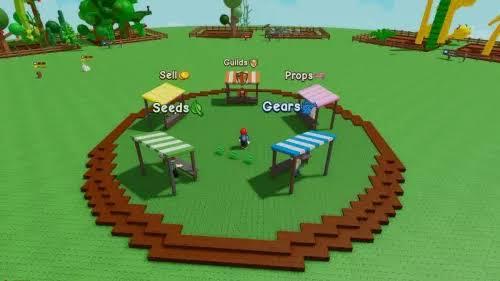
Good placement saves more time than many early upgrades. Keep frequently used plots close to storage, water sources, and crafting stations. Decorative pieces can remain near the edges until your main production area has a practical shape.
Think of the garden as a route rather than a collection of individual squares. A compact loop lets you plant, collect, refill, and sell with fewer interruptions. Leave narrow gaps only where they improve movement; excessive empty space may look neat but can make routine tasks feel slow.
Choose Upgrades That Change Daily Play
Some upgrades look impressive but have little effect on ordinary sessions. Give priority to improvements that reduce repeated effort, expand useful capacity, or make harvest cycles easier to manage. A modest storage increase may be more valuable than a decorative feature if your inventory fills after every short visit.
Before spending, ask three practical questions.
Will this improve several activities rather than just one?
Can it remain useful after the next progression milestone?
Does it support the way I actually play?
This quick check keeps resources focused and makes future purchases easier to compare.
Leave Room for Seasonal Opportunities
A garden that uses every available space can become difficult to adjust. Keep a small flexible section for limited crops, event decorations, or a new station introduced later. This reserved area also gives you room to test unfamiliar items without disrupting your main layout.
Progress feels more satisfying when the garden can evolve instead of being rebuilt after every discovery. Review your arrangement after each major milestone, move only what causes friction, and keep the parts that already work well. For players seeking practical value, cheap GAG 2 Items can help stretch resources while leaving enough room for thoughtful improvements.



 Loading ...


