Close Player
Minimize Player Maximize Player
/

6 minutes, 34 seconds
-35 Views 0 Comments 0 Likes 0 Reviews
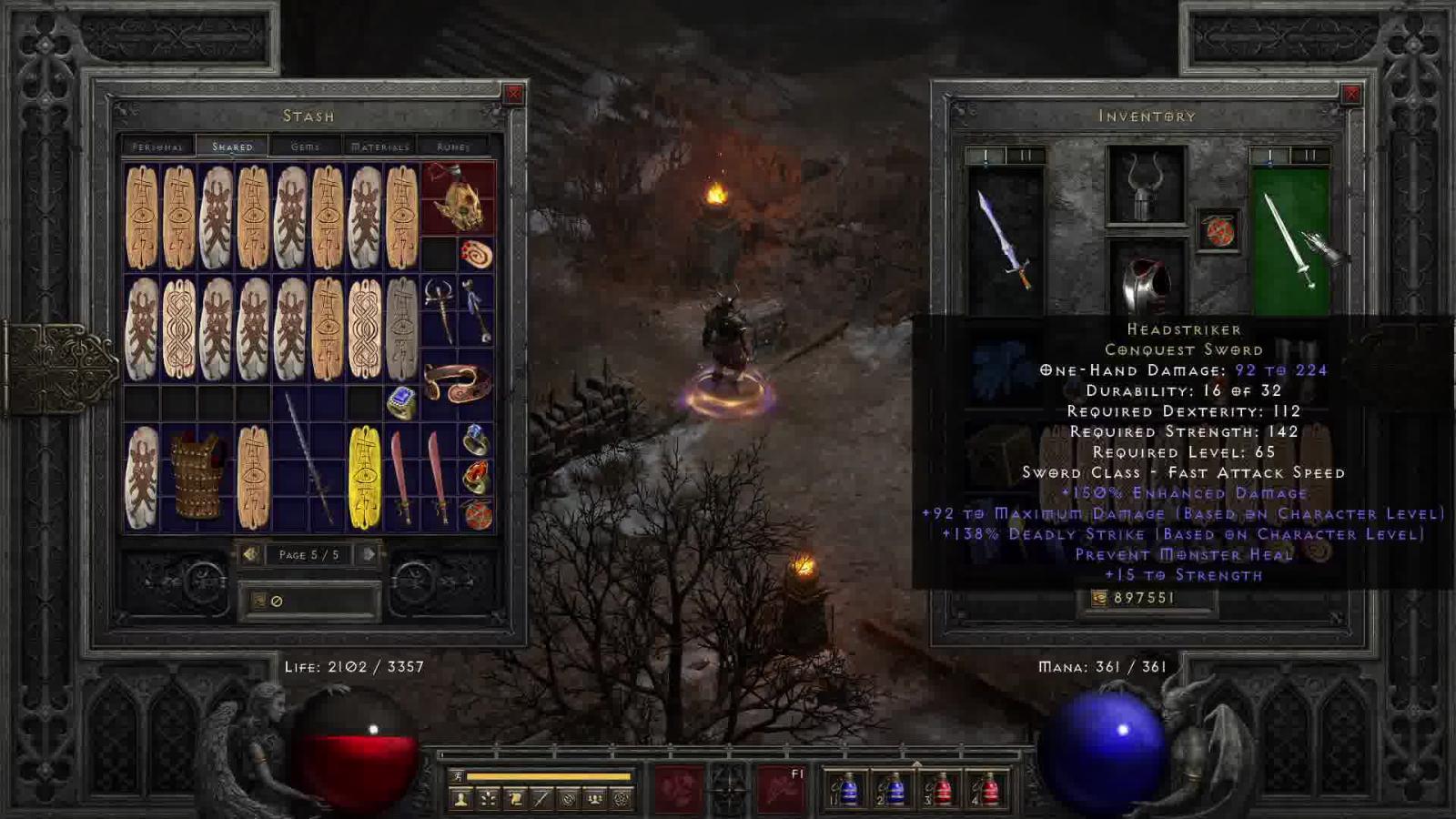
The world of Diablo II: Resurrected is one of the game's greatest characters. Sanctuary is not simply a backdrop for battles. Its landscapes, settlements, ruins, tombs, deserts, and infernal realms constantly communicate the consequences of a world under supernatural assault.
Unlike colorful fantasy worlds designed primarily to inspire wonder, Sanctuary often inspires unease. Beauty exists, but it is usually surrounded by evidence of destruction. Every peaceful location seems temporary, while every road appears to lead toward another danger.
The journey begins around the Rogue Encampment, where the player encounters survivors struggling to maintain a fragile refuge. The camp's atmosphere immediately establishes the game's tone. It is not a prosperous city filled with confident citizens. It is a defensive shelter in a dangerous world.
The surrounding wilderness reinforces that impression. Forests have become corrupted, monsters roam freely, and abandoned locations suggest that ordinary travelers cannot safely move through the region.
As the player progresses, the environment changes dramatically. Lut Gholein introduces a vast desert landscape, but the open sky does not make the world feel safer. Ancient tombs hide beneath the sand, and demonic forces have transformed an otherwise beautiful region into another theater of horror.
This environmental variety is one of the game's strongest qualities. Every act feels distinct while remaining connected to the same overall story.
The visual remake makes these differences more apparent. Diablo II: Resurrected preserves the recognizable perspective and artistic identity of the original but adds detailed textures, modern lighting, improved character models, and atmospheric effects.
The result is a world that feels simultaneously familiar and new.
Players who remember the original game may recognize locations immediately, yet the improved visuals reveal details that were previously difficult to appreciate. Stone surfaces, ruined structures, vegetation, fire, blood, and shadows all contribute to environmental storytelling.
The game's dungeons are particularly effective. They rarely feel like neutral combat arenas. Their architecture suggests history, while their inhabitants suggest that something has gone terribly wrong.
The player is therefore encouraged to interpret surroundings rather than simply move through them.
This approach makes exploration more meaningful. A dark hallway is not frightening solely because an enemy may appear. It is frightening because the hallway belongs to a world where corruption has spread so far that ordinary rules no longer seem reliable.
Sound strengthens the effect. Different locations have distinctive musical identities, but the overall soundscape remains melancholy and threatening. Quiet moments can be as effective as intense combat because they create space for anticipation.
The contrast between peaceful towns and dangerous wilderness is particularly important. Returning to town can feel like a genuine relief. The player has crossed a hostile landscape and reached a place where characters can speak, equipment can be organized, and wounds can metaphorically heal.
Then the player leaves again.
That cycle reinforces the game's central idea: safety in Sanctuary is temporary.
The equipment system creates another reason to return to dangerous locations. Players search for D2R Items because stronger gear allows them to confront increasingly difficult enemies. The pursuit of loot can transform familiar areas into destinations for repeated runs.
For some players, the desire to progress more quickly may also lead them to consider Diablo 2 Resurrected Items services. Yet the environments themselves remain a major part of the experience because the repeated journey through familiar areas reinforces the game's atmosphere.
The most striking transition occurs when the player reaches the later acts. The world becomes increasingly hostile and supernatural, eventually culminating in environments that resemble Hell itself.
At that point, the visual language changes dramatically. The player is no longer wandering through a damaged human settlement or corrupted wilderness. The character is entering the realm of the enemy.
This progression gives the game's world a narrative structure. The environments become darker as the story approaches its climax.
Sanctuary's design ultimately works because every location serves multiple purposes. It provides combat opportunities, supports exploration, communicates story information, and establishes atmosphere.
That combination is difficult to achieve. Many action RPG worlds can become collections of visually impressive environments connected by objectives. Diablo II: Resurrected feels different because its environments consistently reinforce the game's themes.
The world is dying, and the player can see it.
That simple idea explains much of the game's enduring appeal. Sanctuary is beautiful, but its beauty is fragile. It is dangerous, but its danger is meaningful. Every ruined building, bloodstained path, abandoned settlement, and corrupted creature contributes to the larger story.
For players seeking a fantasy world with genuine atmosphere, Diablo II: Resurrected remains remarkably effective. Its greatest achievement may be convincing players that darkness is not merely where the monsters live.
Darkness is what has happened to the world itself.


 Loading ...


