Creating a beautiful garden is a rewarding experience, especially when you have pets around. However, ensuring your garden is both pet-friendly and visually appealing can be a bit tricky. Whether you're a seasoned gardener or just starting out, these 12 pet-safe garden design tips will help you create a space that both you and your pets can enjoy.
1. Choose Non-Toxic Plants
The first step in designing a pet-safe garden is to choose plants that are safe for your furry friends. Some common garden plants, like lilies, daffodils, and azaleas, can be harmful to pets if ingested. Look for pet-friendly options like marigolds, sunflowers, and lavender. These plants add color to your garden while keeping your pets safe.
2. Use Raised Beds for Pet Protection
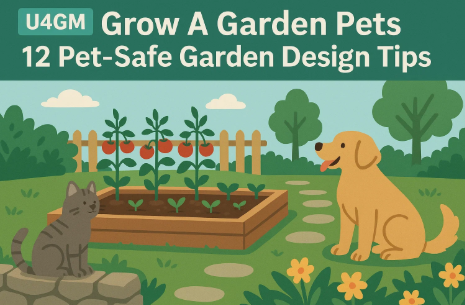
Raised garden beds are a great way to protect your plants from your pets, especially dogs who love to dig. These beds are also easier on your back and help keep plants from getting trampled. If you're growing delicate plants, consider putting up a small fence or barrier around the raised bed to keep pets away.
3. Create Pet-Specific Zones
Designate specific areas of your garden for your pets. This could be a section of the yard where your dog can run freely or a shaded spot where your cat can relax. By creating these zones, you can ensure that your pets have their own space while still maintaining the beauty of your garden.
4. Incorporate Safe Mulch Options
While traditional mulch like cocoa mulch can be harmful to pets, there are many pet-safe alternatives available. Pine bark, cedar chips, and rubber mulch are all excellent choices. These materials not only look great but also keep your pets safe from potential hazards.
5. Install Pet-Safe Fencing
If your garden is located in a larger yard, consider installing a pet-safe fence to keep your pets from wandering into areas with delicate plants. Choose a fence that's tall enough to prevent your pets from jumping over and ensure there are no gaps large enough for them to squeeze through.
6. Buy Grow A Garden Honey Bee
For those looking to attract beneficial insects to their garden, consider buying Grow A Garden Honey Bee. Not only will these bees help pollinate your plants, but they also provide an opportunity to teach children or visitors about the importance of bees in nature. Ensure your pets are kept away from beehives by placing them in secure areas of the garden.
7. Add Pet-Friendly Paths
Dogs and cats love to explore, so it's essential to provide safe paths for them to wander along. Gravel, wood chips, or even stepping stones can create attractive, pet-safe pathways through your garden. These paths will help keep your pets away from your precious plants while giving them a designated route to follow.
8. Plant Pet-Safe Ground Cover
If you have a lot of open space in your garden, planting pet-safe ground cover can help prevent your pets from digging or disrupting your garden beds. Plants like clover, creeping thyme, and ground morning glory form dense mats that discourage digging and provide a soft surface for pets to walk on.
9. Provide Shaded Areas for Pets
During the hot summer months, your pets will appreciate having a cool, shaded spot to relax in. Planting trees or installing shade cloth can create a comfortable area for your pets to unwind. You can also add pet-safe outdoor furniture like benches or hammocks for them to lounge in.
10. Keep Toxic Chemicals Away
If you’re using fertilizers or pesticides in your garden, make sure they are pet-safe. Many commercial gardening products contain chemicals that can be harmful to animals. Look for organic or pet-friendly alternatives to protect your pets while still maintaining a healthy garden.
11. Create a Pet-Friendly Water Feature
Pets love water, and having a small pond or water fountain in your garden can provide them with a refreshing place to drink or cool off. Ensure the water is clean and shallow, as deep ponds can be dangerous for small pets. A simple water fountain can also attract birds, making your garden even more lively.
12. Keep Dangerous Tools and Equipment Out of Reach
Gardening tools and equipment can be hazardous to pets if left out in the open. Store all sharp tools, fertilizers, and other potentially dangerous items in a secure shed or cabinet. This will help prevent your pets from getting injured or accidentally ingesting harmful substances.
Designing a pet-safe garden doesn’t have to be difficult. By following these 12 pet-friendly garden design tips, you can create a space that both you and your pets will love. Remember to keep your pets' safety in mind when selecting plants, creating pathways, and incorporating other garden features. With a little effort, you’ll have a thriving garden that’s as safe as it is beautiful.
By the way, if you're looking for helpful tips on how to grow your garden and keep your pets safe, don’t forget to check out U4GM for all the latest gardening insights. Happy gardening!



 Loading ...

